Why does CMP470 make sense?
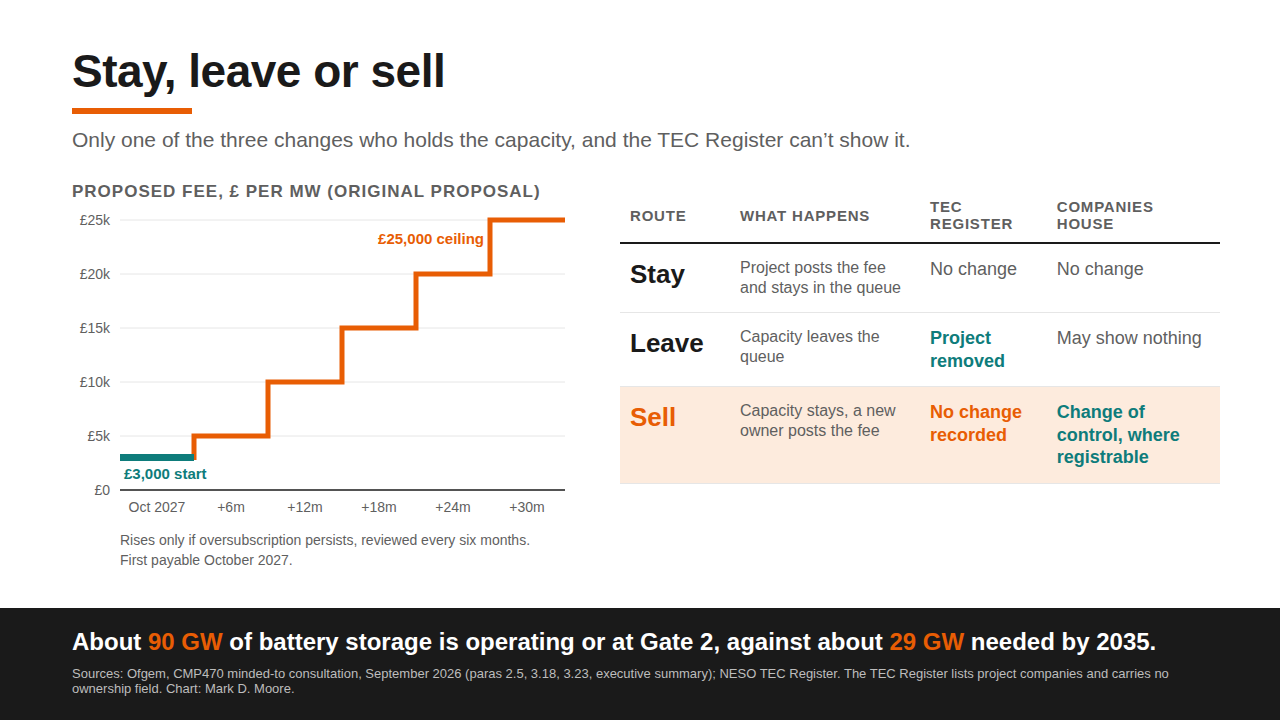
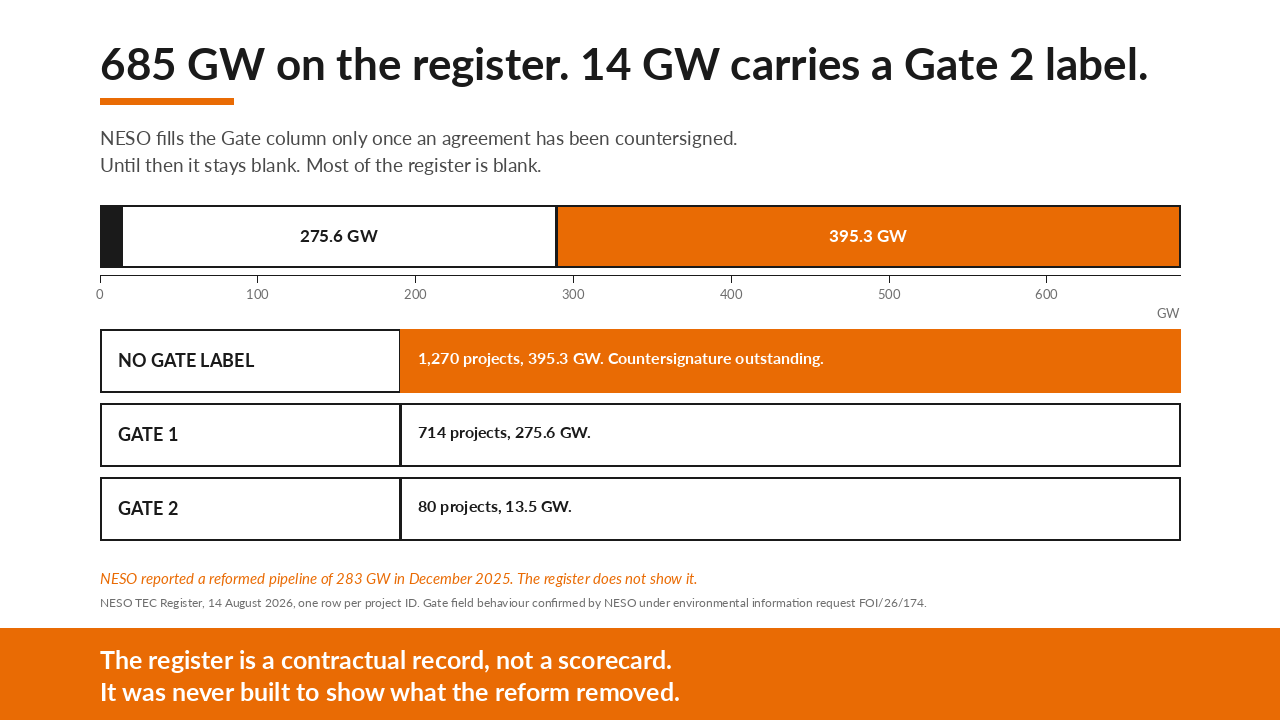
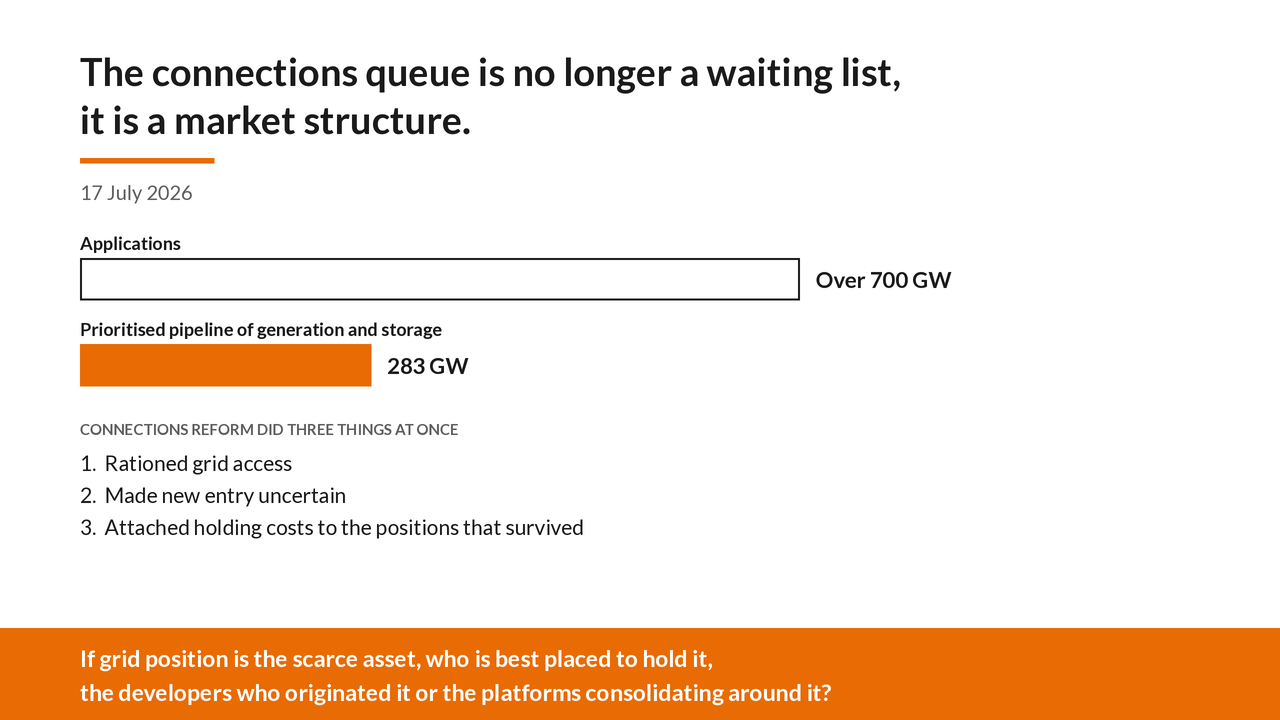
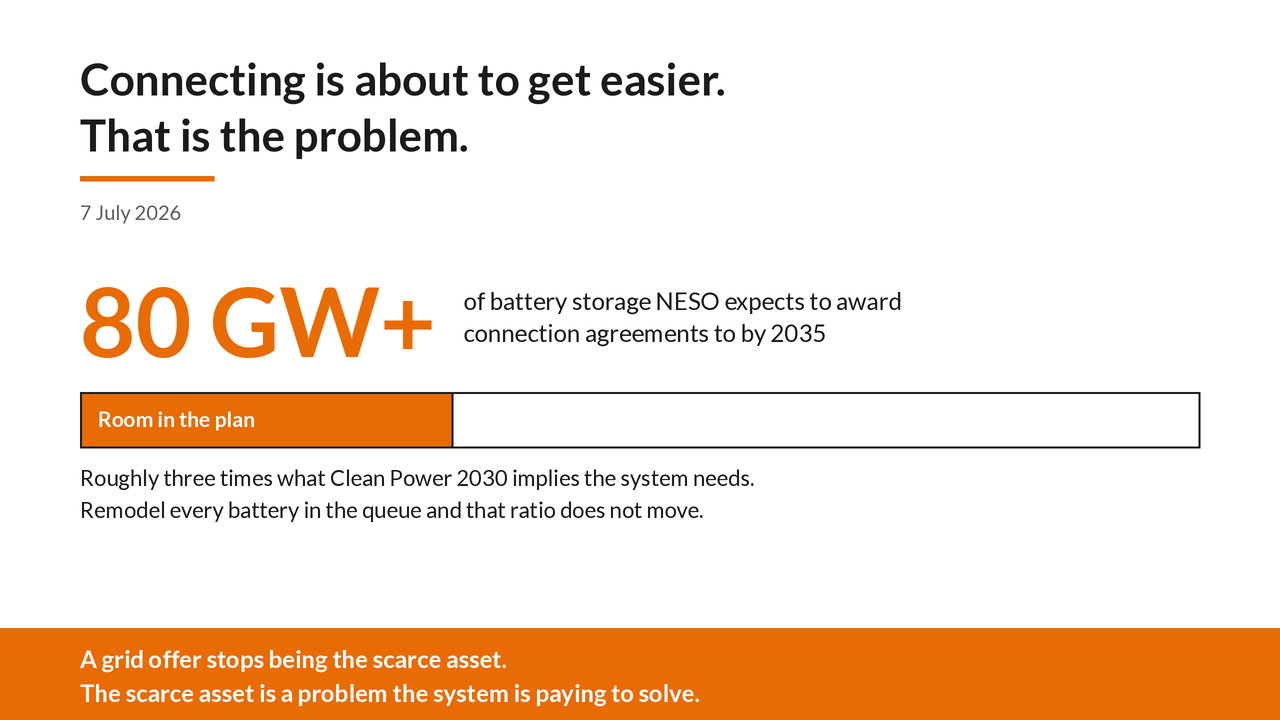
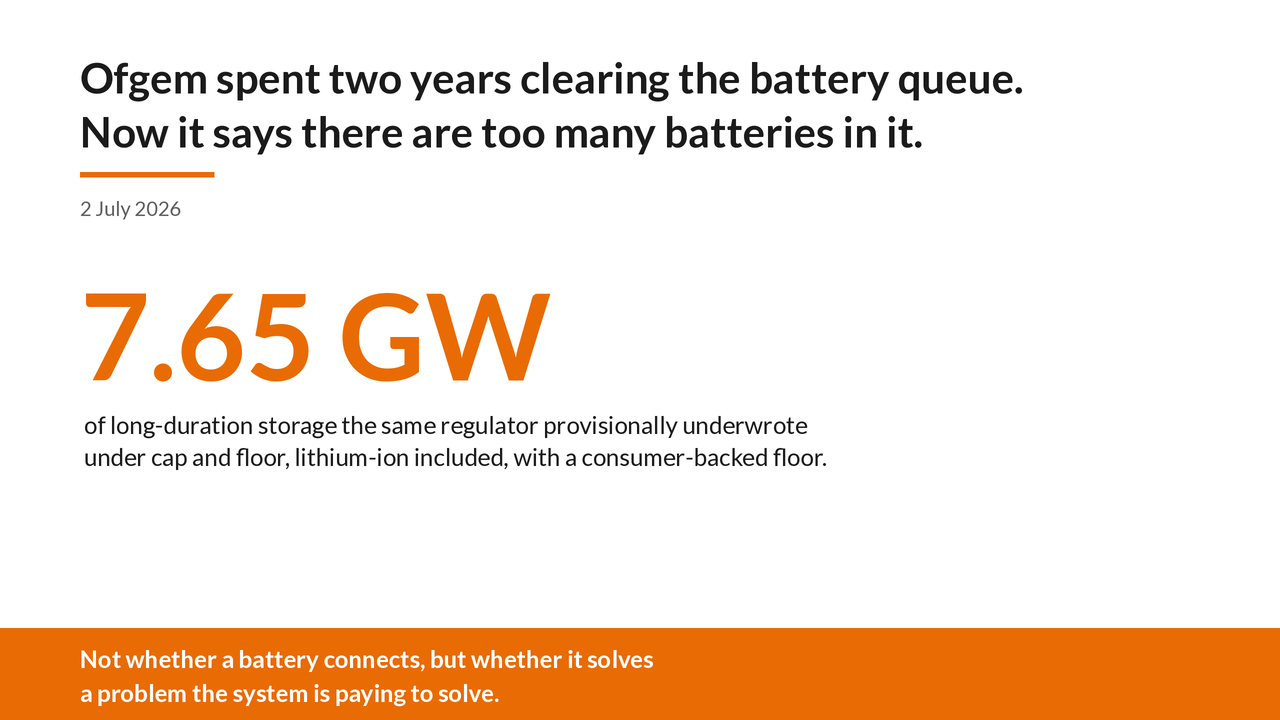
About 90 GW of battery storage is operating or holds Gate 2 status, against roughly 29 GW needed by 2035. According to Ofgem’s own impact assessment, about a quarter of it has posted no securities or liabilities at all. Read the full post
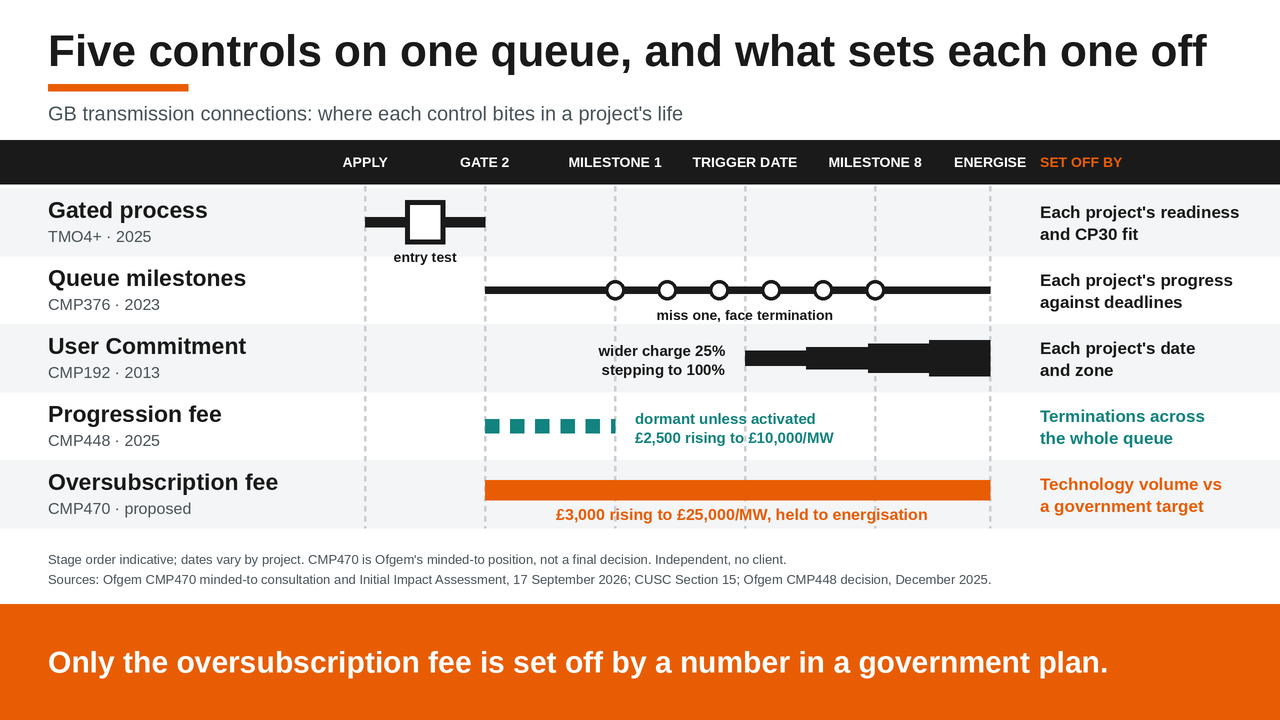
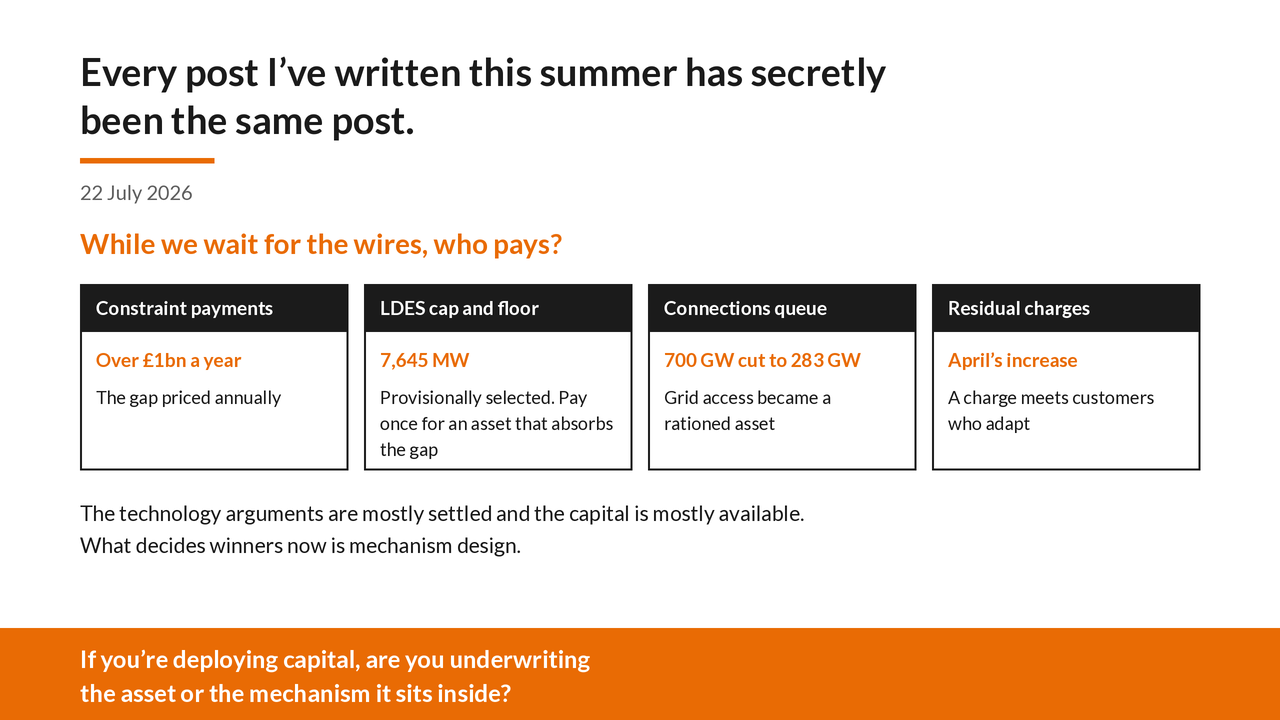
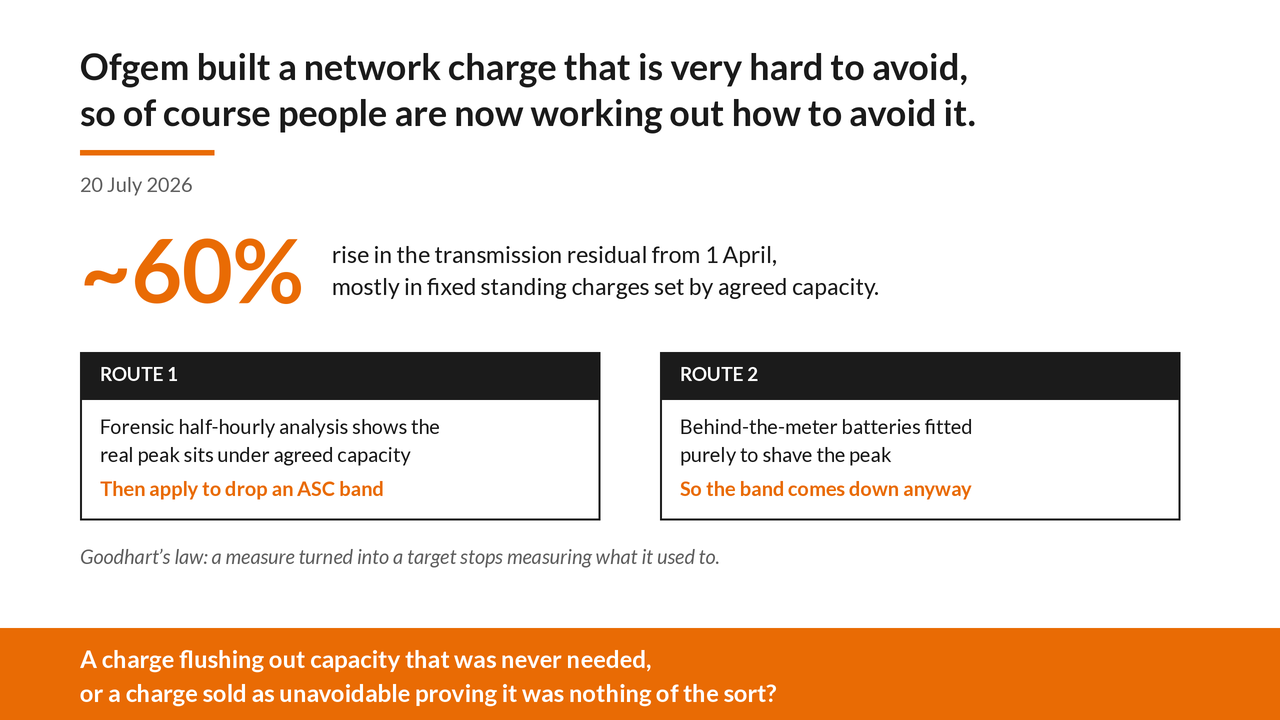
Ofgem’s proposed fee starts at £3,000/MW and climbs to £25,000/MW only if the surplus doesn’t shrink. At the start that’s around 3% of build cost for a short-duration battery. Projects that intend to build can carry it, and those holding a position as an option get a reason to think again.
I’ve supported it in my response to Ofgem. The one addition I’ve suggested is a way to see who ends up holding the queue.
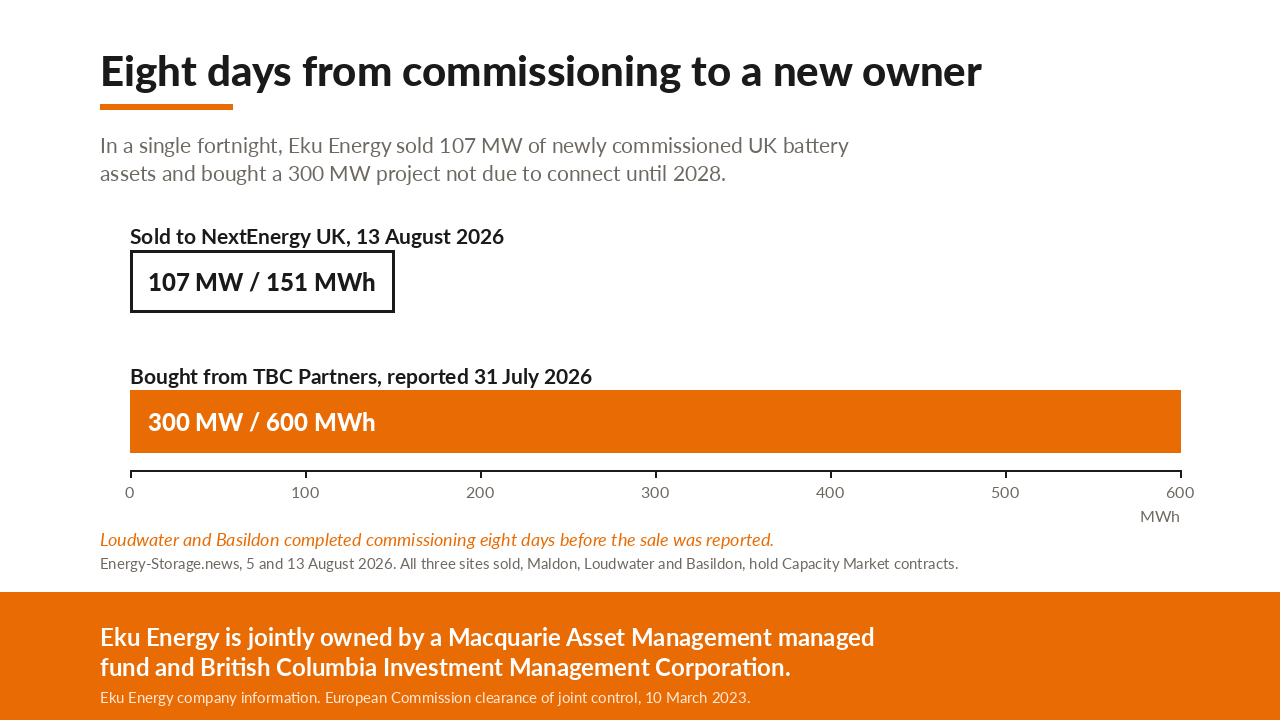
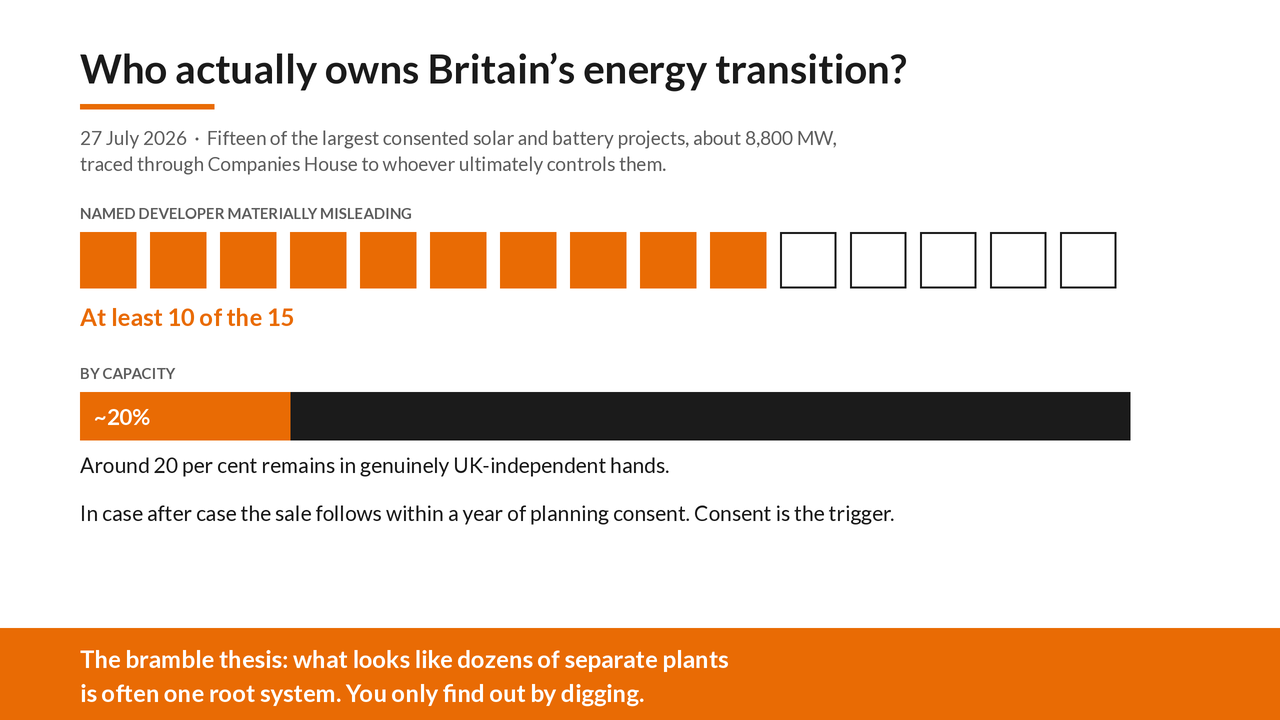
A developer facing a rising security has more than two choices. Alongside staying and leaving, it can sell the project to someone better placed to fund it, and the capacity stays in the queue under a new owner.
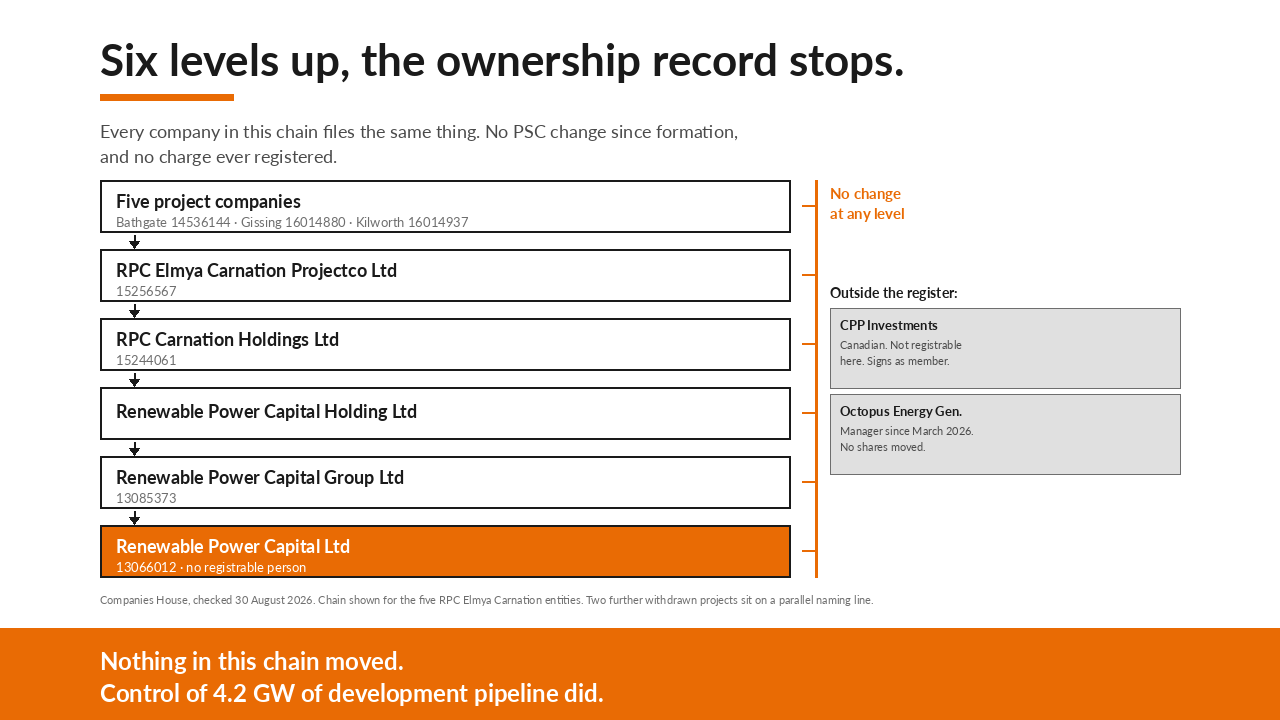
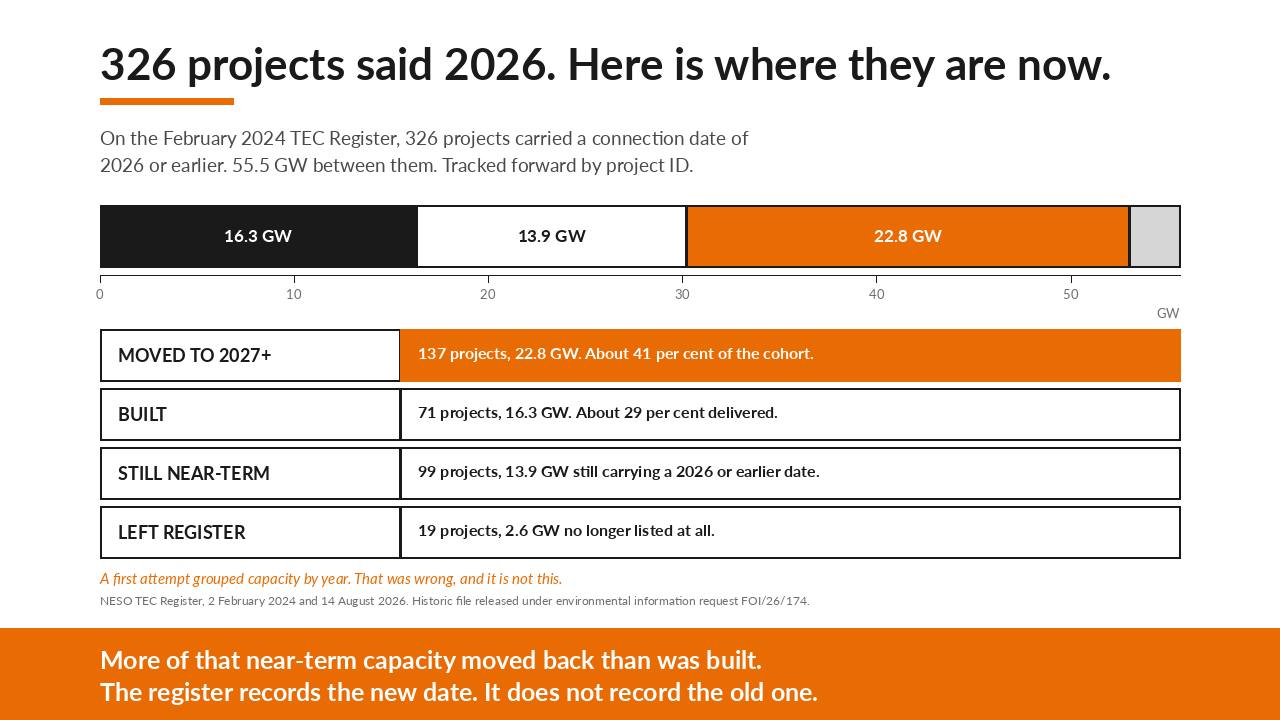
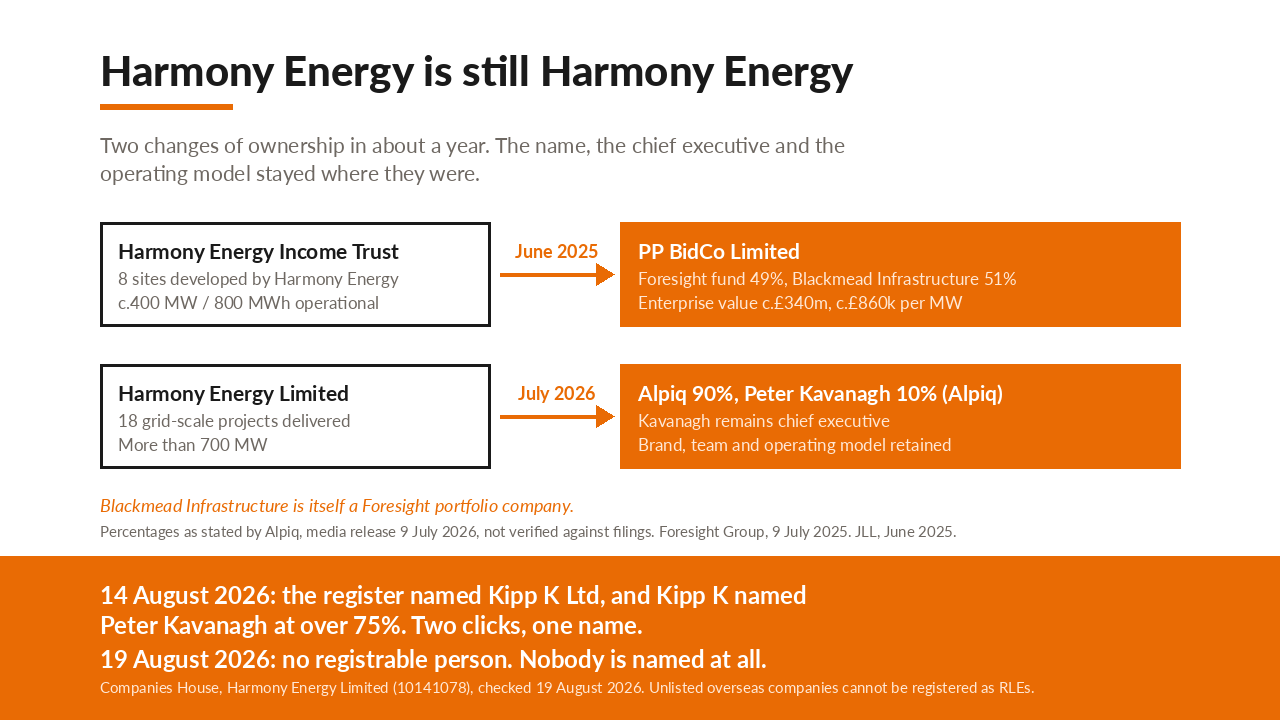
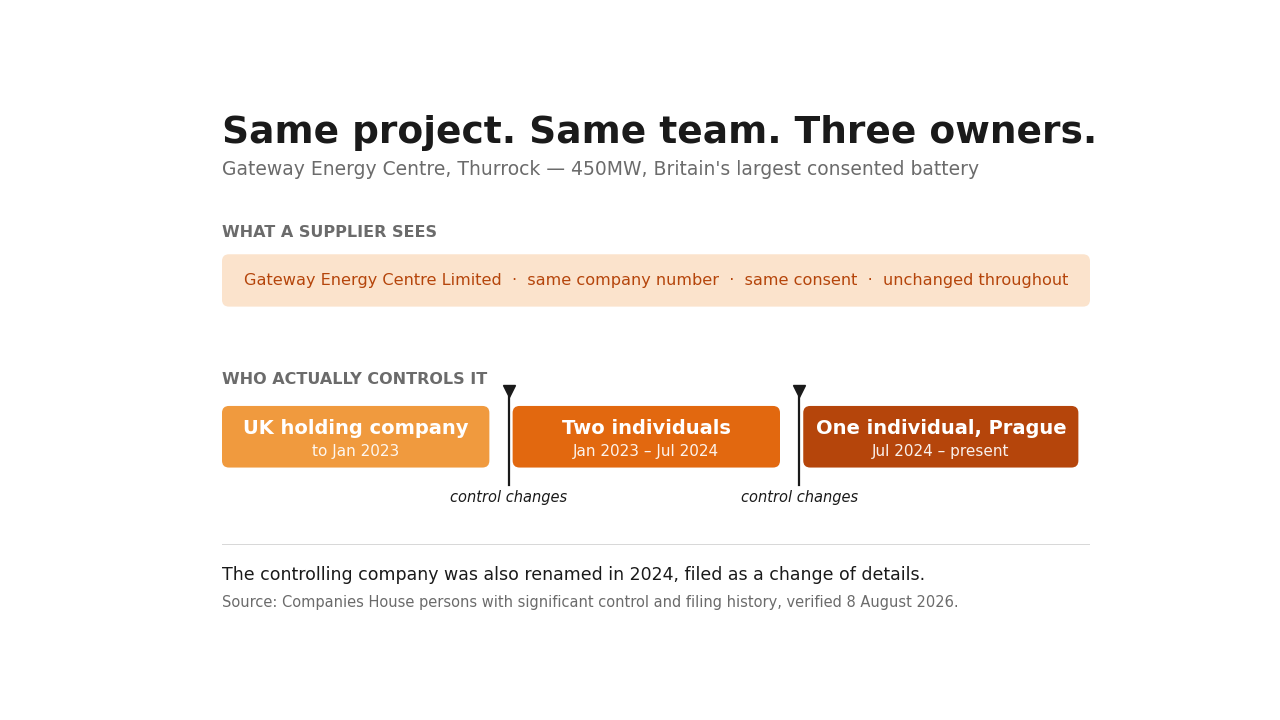
The register wouldn’t show that. When Alpiq bought 90% of Harmony Energy in July, for reasons that have nothing to do with the fee, Companies House stopped naming anyone as controlling the company. The TEC Register lists project companies and has no ownership field, so it recorded nothing.
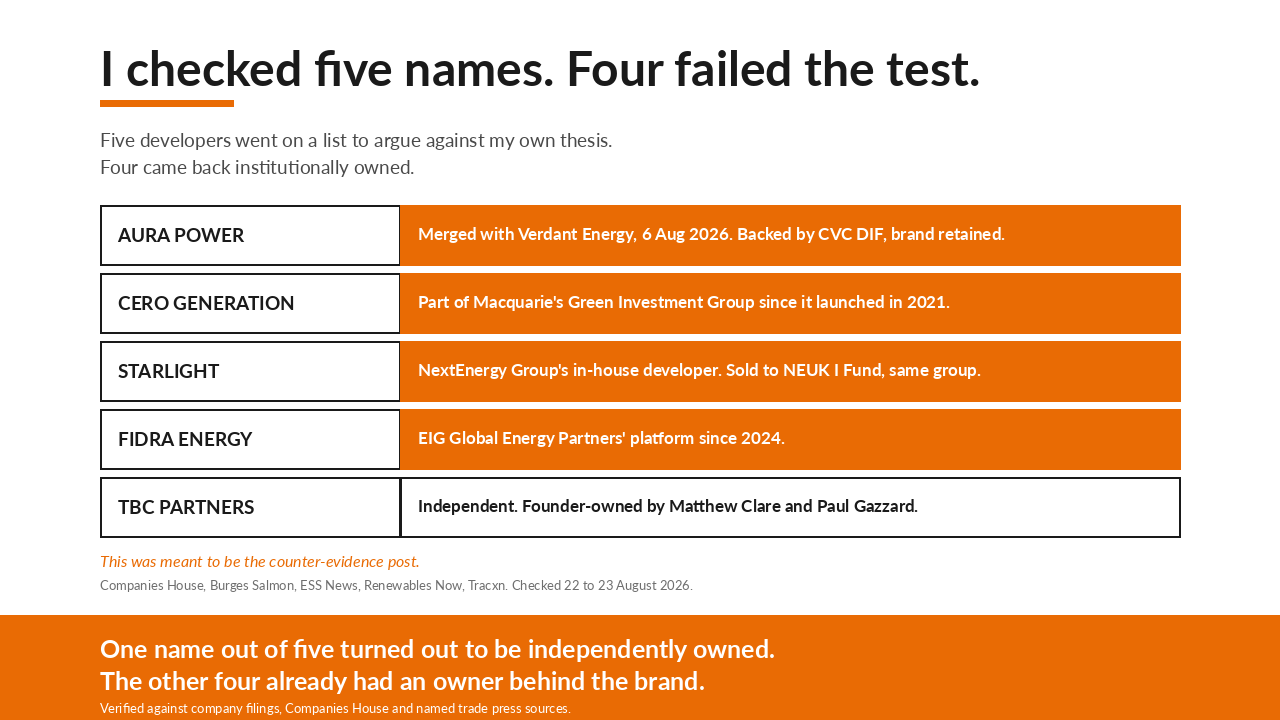
Ofgem expects the competition effects to be limited. Ownership reporting alongside the securities statements would let that be tested as the fee takes effect.
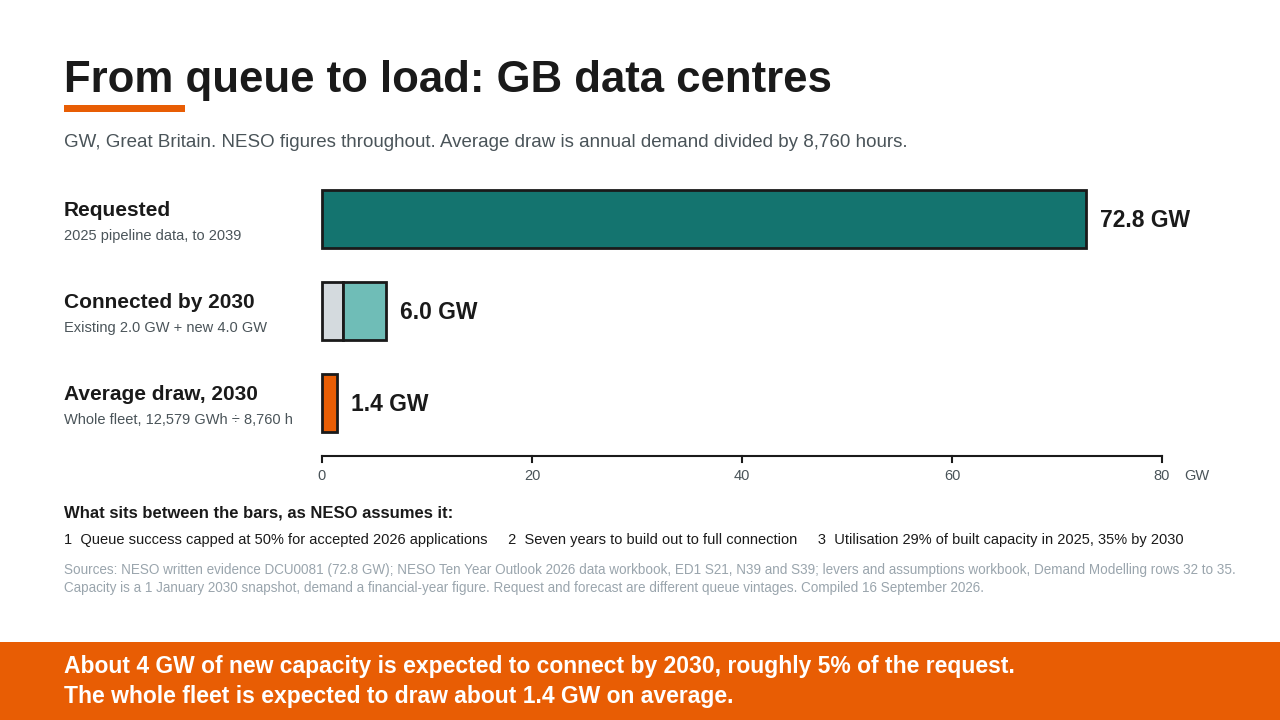
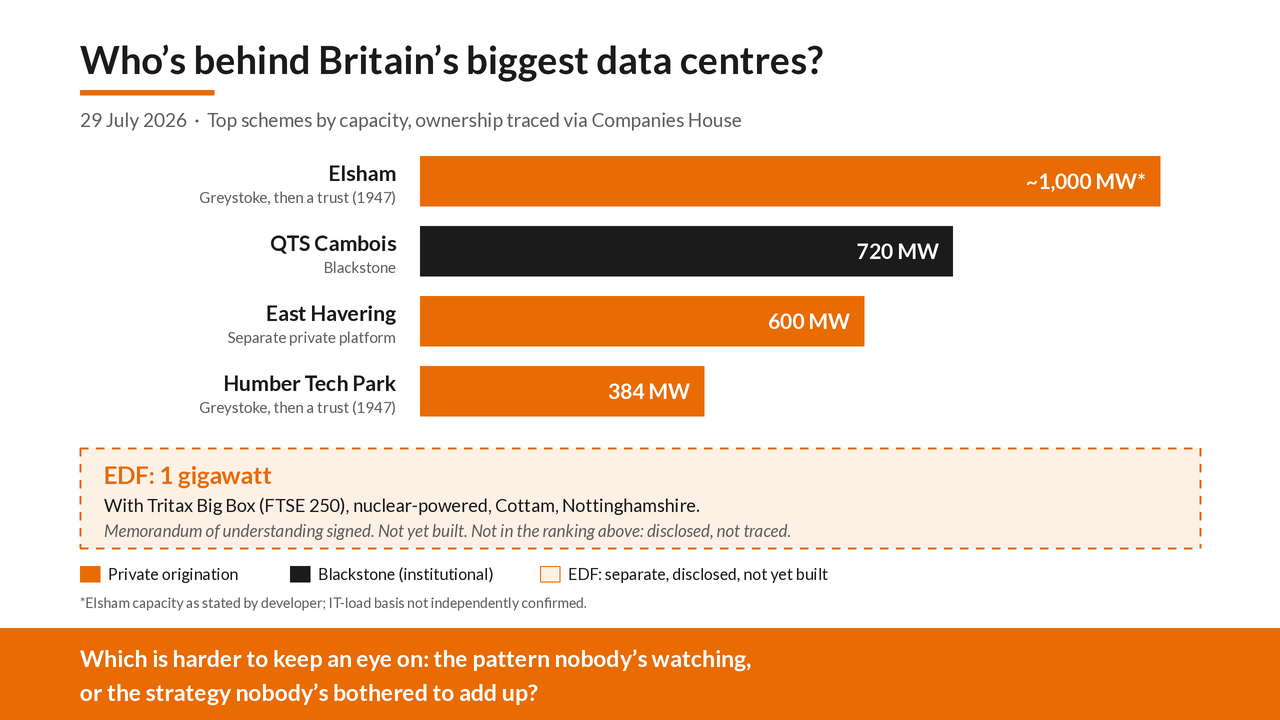
The full article also covers the 9 GW of batteries looking to convert to data centres, and how Ofgem costs the liquidity the fee requires.
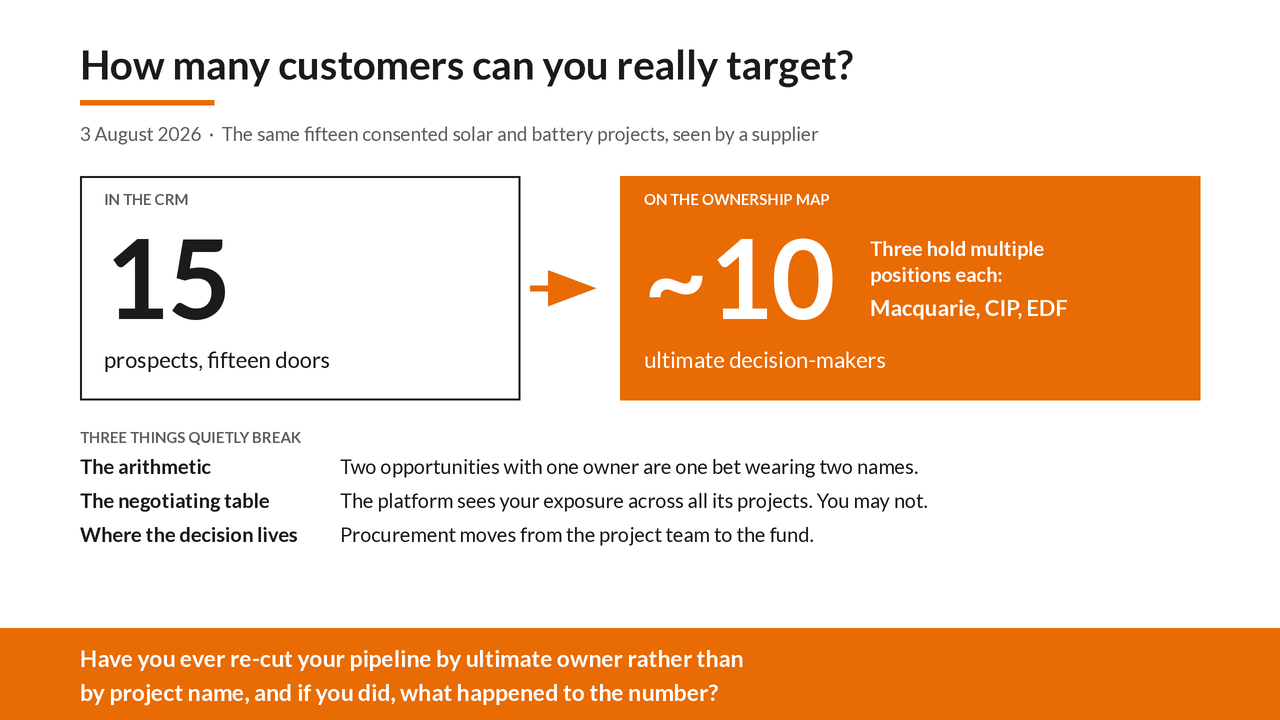
If the queue shrinks, how would anyone know whether it’s held by more owners or fewer?